
The Process of Making Porcelain

1. Raw Material Preparation

The process of producing strong and attractive porcelain begins with the selection of raw materials. Porcelain is composed of kaolin, feldspar, and quartz. Each material serves a purpose: Kaolin – is a fine clay that provides plasticity and plays the role of the physical body of porcelain. Feldspar – is a flux that lowers the melting temperature and assists with vitrification during the firing stage. Quartz – provides strength and hardness to the final product. Once extraction to raw materials is complete, they are transported to the manufacturing facility, refined and prepared. After they are received, they are crushed and ground to a fine powder form, combined with water to form slurry, filtered of any impurities, and reduced to a consistent particle size. The transition from raw material to refined material with consistent size is critical to producing high quality porcelain.
2. Forming

The forming stage turns raw materials, in this case, porcelain, which is a material with some durability and an aesthetic quality, into something that will be utilized or sold. Quality clay (consisting of mostly kaolin, along with feldspar and quartz), is blended with water to form a pliable substance called porcelain slip. The slip is then formed into the appropriate shapes using any number of forming techniques. A popular technique called slip casting uses a plaster mold. The slip is poured into the porous plaster mold, which absorbs water from the slip, leaving a layer of solidified clay along the walls of the mold. This is a versatile system of producing a variety of pottery forms with many details, because it is the least manual of the forming procedures.

3. Drying

Drying is an important step in porcelain production, because it prepares the porcelain to be fired in the kiln. Drying removes moisture from the porcelain body, allowing it to be strong and stable before being put in the kiln. The drying process occurs slowly, and it is important for the porcelain so not to crack, warp, or create other imperfections once situated in the kiln. After being freshly molded, porcelain carries a lot of moisture. The clay is presumably soft, with limited form stability. The drying process is carried out with caution and it helps to reduce moisture on a gradual basis. The drying process can occur naturally by air drying. Drying can also occur in specially designed drying rooms with controlled temperature and humidity. In these spaces, the controlled drying conditions help to manage airflow, temperature, and humidity, creating uniform drying methods that help to maintain the integrity and shape of each product.

4. Firing

Firing is an essential step in the production of porcelain, where the shaped pieces will become strong glass-like ceramics. Firing is accomplished to accomplish this in the kiln at high temperature, usually in the range of 1,200 to 1,400 °C (2,192 to 2,552 °F). At such temperature, the vitrification process occurs, where the clay particles fuse, producing a dense non-porous, and often translucent material. The firing process starts with a bisque firing. The bisque firing is the first (firing) step at lower temperature where moisture and organic materials are burnt off. This bisque firing provides strength to the porcelain body so that it can be handled more easily at the glazing stage.

5. Glazing

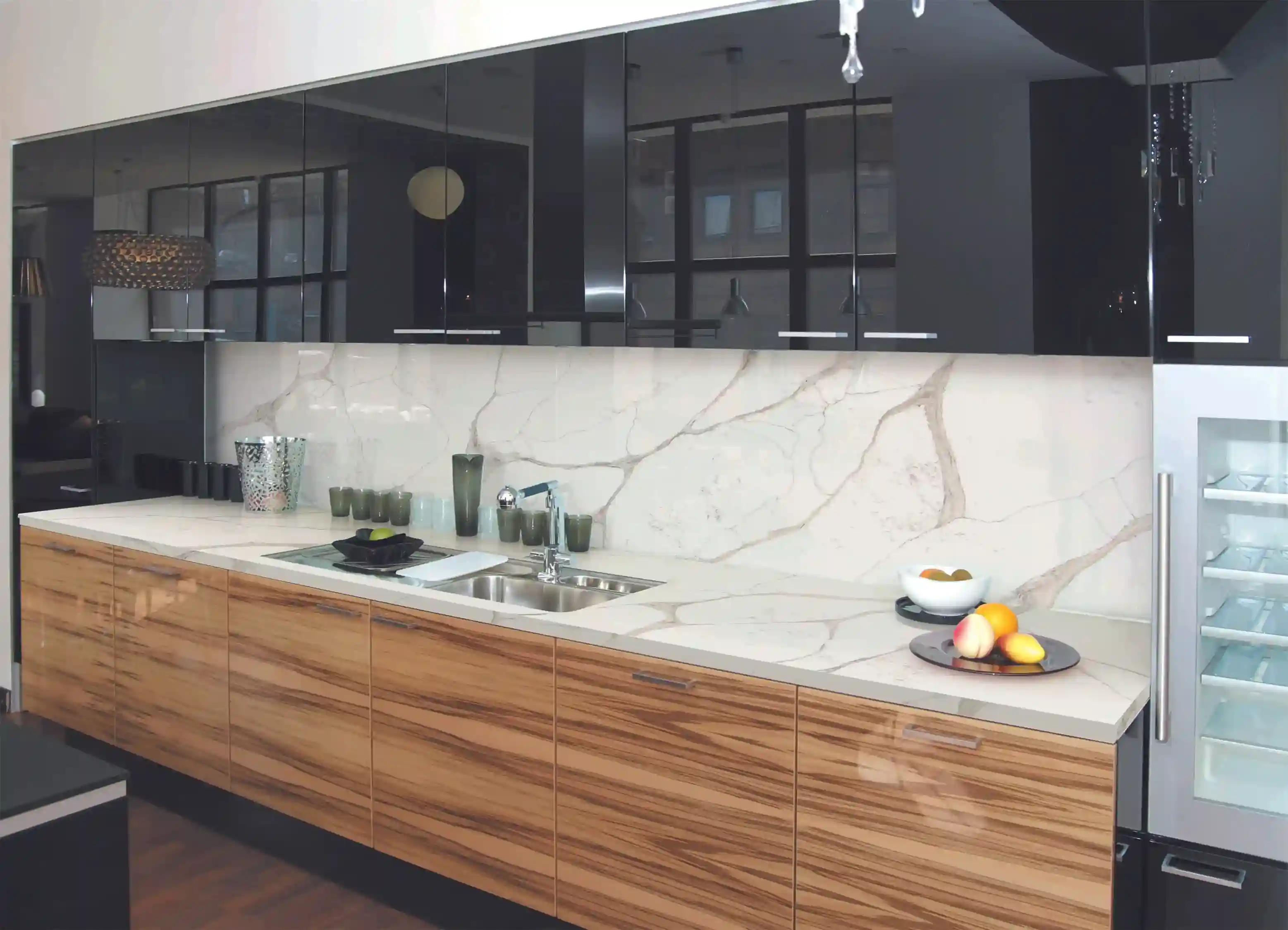
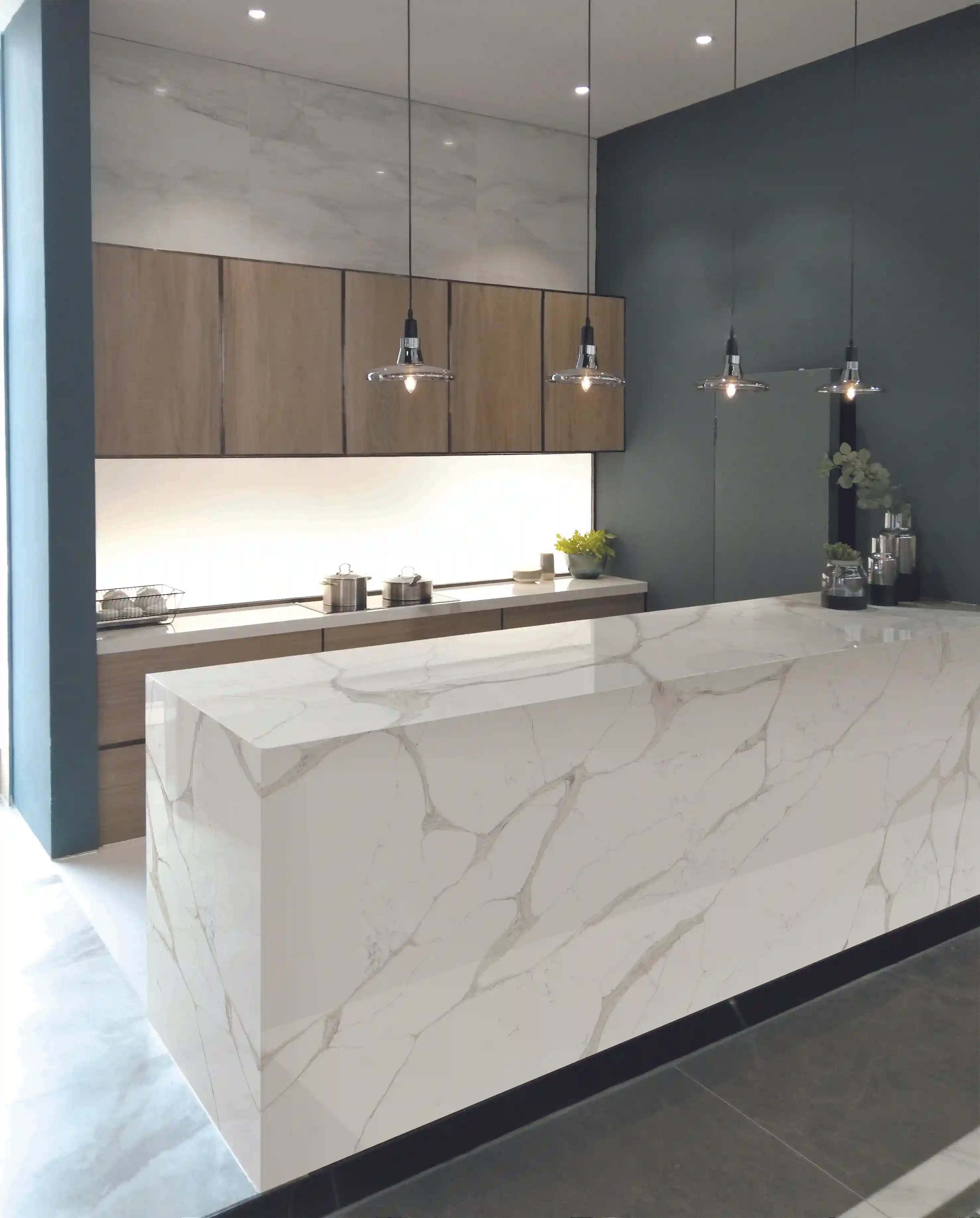
The last part of porcelain which make it both beautiful and functional is glazing. A liquid glass finish is applied to the surface and then fired to a very high temperature. The after-effect is a hard, shiny, and water-resistant finish that not only adds durability but also enhances the overall aesthetic value of porcelain. A key benefit of glazing is its ability to enrich colors and patterns, giving the piece a refined, polished finish. Glazes can be easily developed in virtually any color or shade. Glazes can also offer textures or subtle designs, allowing porcelain to take on the appearance of natural stone, wood, or even fabric. This flexibility makes glazed porcelain useful for a variety of residential and commercial applications.

6. Quality Control

Quality control in the creation of porcelain is a careful multi-stage process designed to provide lasting durability, aesthetics, and utility. Quality control starts with the selection of raw materials. Pure kaolin, feldspar, and quartz is used. Careful use of truly pure minerals avoids impurities that will ruin the end product. Once raw materials are selected, the minerals undergo a rigorous laboratory analysis and characterization. Each raw material undergoes laboratory test and characterization of the chemical composition, particle size distribution, and plasticity to assure compliance with strict industry standards. This process ensures that the porcelain produced achieves the minimum expectations for strength, consistency, and beauty.