

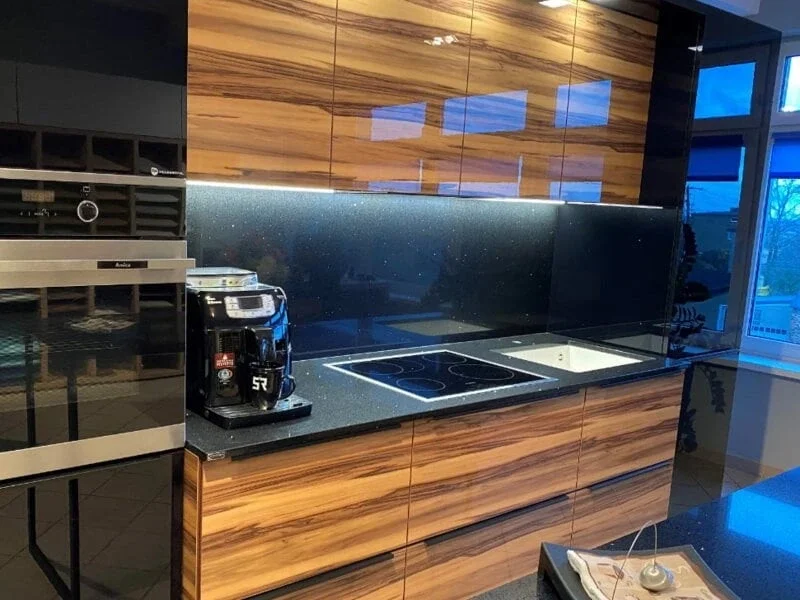
Black and white granite comparison

Quartz and Granite Worktops

Welcome to our professional guide on choosing the best worktop material for your kitchen.

When thinking about durability, style and functionality there are two great choices: quartz and granite.

In this guide, we’ll explore the key properties of quartz and granite, along with the advantages and disadvantages of each. Next we will look at both materials side by side for their durability, maintenance, appearance, and cost.

At the end of this guide, you will have a good understanding of both of these options to aid you in choosing the best one for your family, design style, and financial situation.

Durability of granite

What you should know about quartz worktops

Quartz worktops are more popular than ever, thanks to their impressive benefits. They are stylish, practical, and the perfect choice for contemporary kitchen or bath renovations. Let’s take a detailed look at quartz to understand what makes it so remarkable.

Description and Properties of Quartz

Quartz worktops are a man-made material, formed by binding quartz crystals with resins and colorants to create a sleek, resilient surface.

This combination yields a non-porous surface that is incredibly resistant to scratches, stains, and heat.

Unlike natural stones such as granite, quartz does not need to be sealed, and is already protected when it is produced.

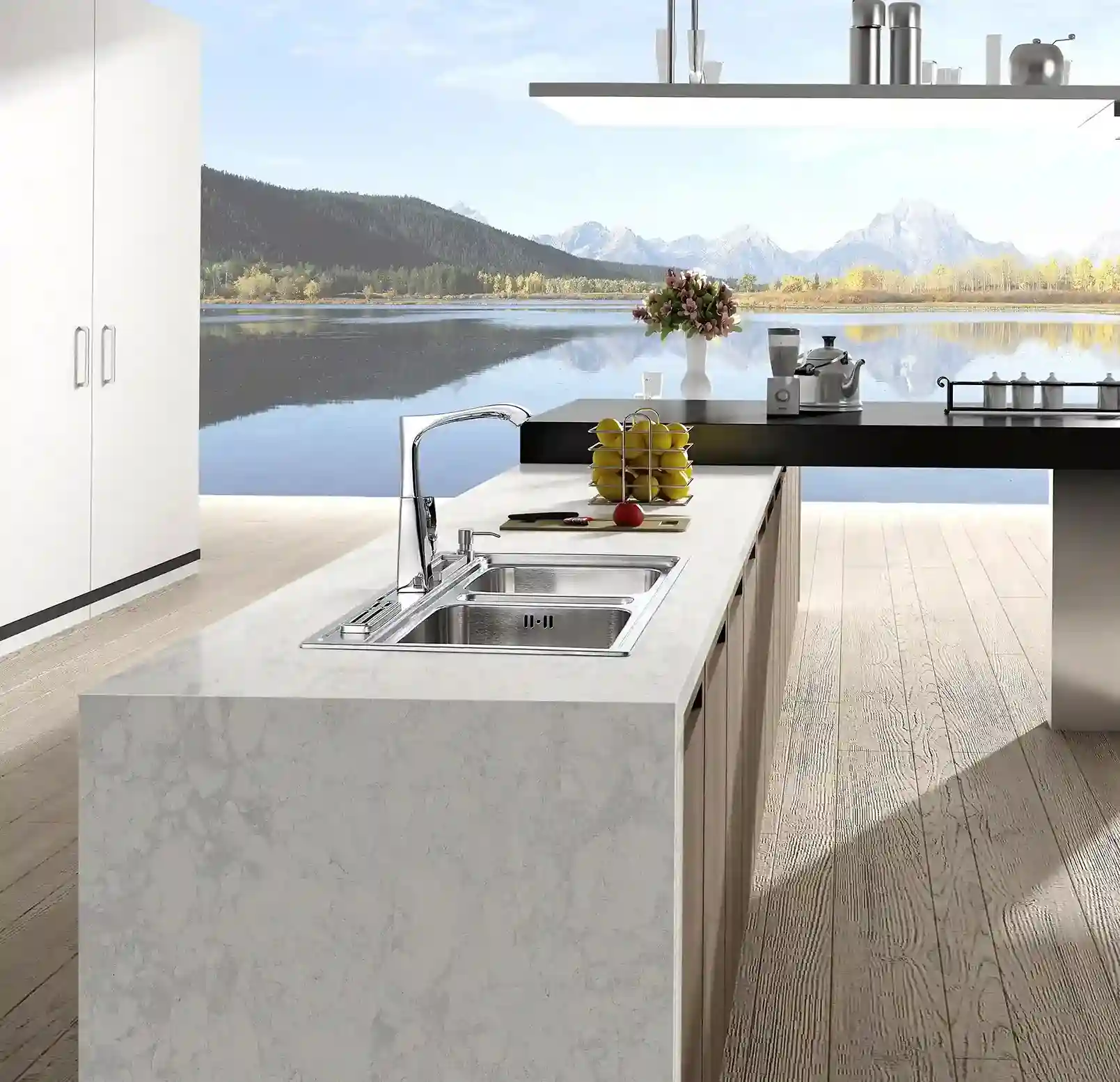
Quartz can be found in a virtually limitless number of colors, patterns, and finishes, providing versatility for either contemporary or traditional design styles.

Aesthetic granite comparison

Pros of Quartz Worktops

Durability: Quartz worktops are immensely durable and designed for day-to-day use, without losing their luster or appearance.

Stain Resistant: Quartz is also made of a non-porous material so it is relatively resistant to liquid absorption, which makes it very stain resistant from everyday household items like coffee, wine and cooking oils.

Scratch Resistant: With the combination of quartz crystals and the resin, it’s pretty strong under normal circumstances. It’s also incredibly scratch resistant, it's hard for sharp tools or an inadvertent knock to scratch it.

Heat Resistant: The general rule of thumb with all work tops is to utilize trivets or heat pads when using hot objects. Quartz worktops have more heat resistance than laminate and should be better in busy kitchens.

Understanding Granite Worktops

Granite worktops have been a standard in modern kitchen design for some time, their durability, style, and natural beauty are appreciated by all. Gaining a basic understanding of granite, its composition and properties will allow you to make an educated choice when using granite work surfaces in your kitchen or bathroom.

Description and Properties of Granite

Granite is a natural igneous stone, created through the slow cooling and solidification of magma deep within the Earth. Its composition includes quartz, feldspar and mica and several other minerals.

These minerals give granite the characteristic beauty of the work surface, the colouration can be subtle earthy tones or bright colours ranging from blue and green to beyond.

Granite is and will be unique to your home. Every slab displays its own distinctive color and pattern, making each piece truly one-of-a-kind.

Advantages of Granite Worktops

Durability - Once sealed, granite is incredibly tough. It offers outstanding resistance to scratches, chips, stains, and the wear of high-traffic kitchens.

Heat Resistance - It can tolerate the temperature of a hot pot or pan put directly onto the surface.

Low Maintenance – When properly sealed, granite becomes non-porous, naturally resistant to bacteria, and easy to keep spotless with just soap and water.

Longevity - Properly maintained granite worktops could last a lifetime. This would equate to significant value and cost-effectiveness.

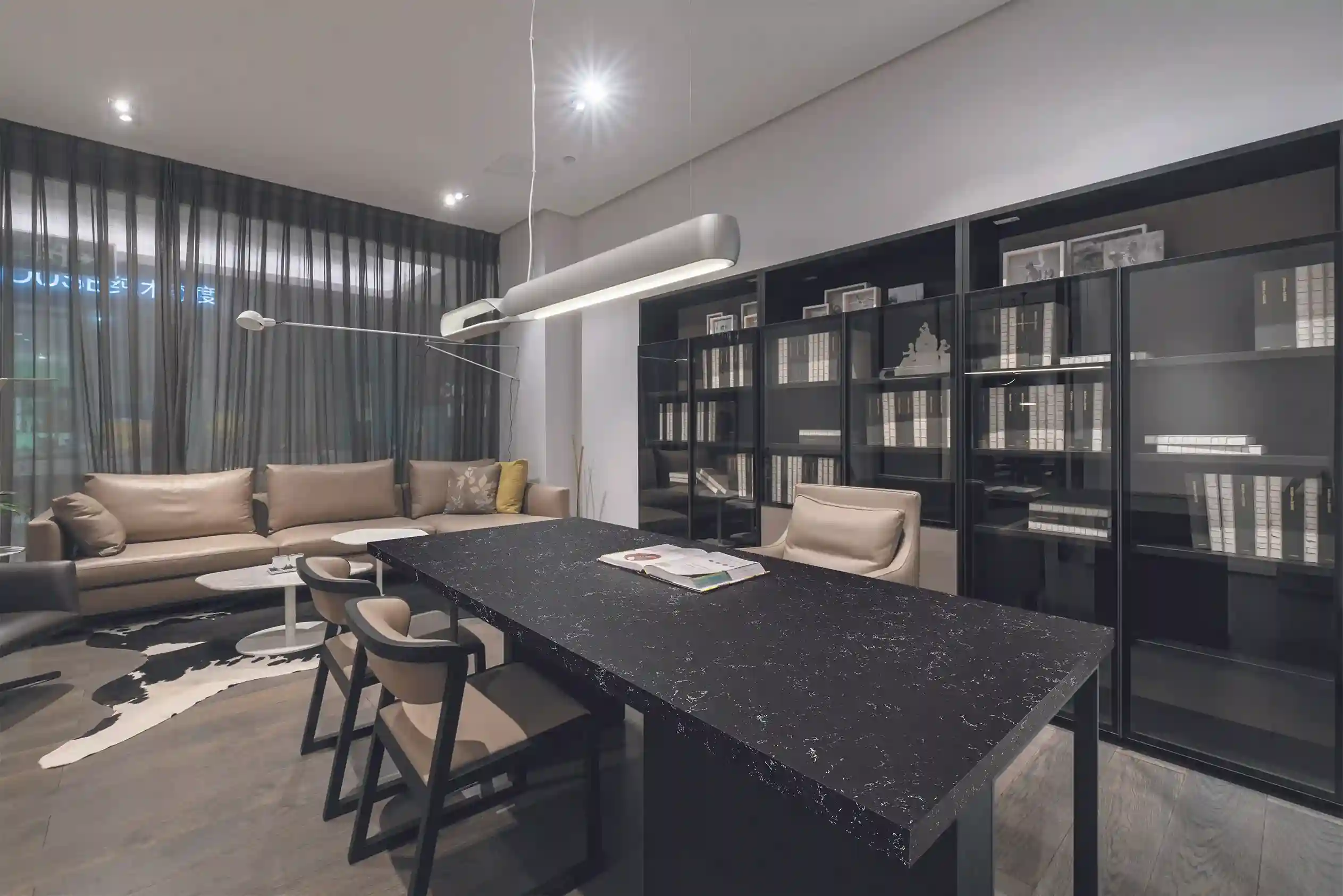
Black granite countertop

locating canvas and materials for a work top quartz vs granite

Quartz vs. Granite: How to Choose the Ideal Worktop for Your Kitchen

Choosing the right worktop for your kitchen is not as straightforward as it seems: quartz or granite? Both options offer distinct benefits, each capable of elevating the style and functionality of your space. Let's outline the key differences between the two most typically used worktop materials.

Durability

Quartz - Quartz worktops are engineered out of natural quartz plus resin, which creates a worktop surface that offers unparalleled durability - completely non-porous by nature, quartz is incredibly resistant against dents, scratches, stains, heat, and impacts.

Granite – A naturally formed stone, granite is created from cooled molten magma deep beneath the Earth’s surface, making it exceptionally strong and durable. It is a robust material, but it may chip or crack more easily under extreme pressure compared to quartz.

Maintenance

Quartz - Quartz materials are virtually maintenance-free. Whereas granite and other porous stones require sealing and maintenance to keep them from staining or allowing bacteria to grow, quartz is non-porous and mostly maintenance-free.

Granite - Granite is usually very easy to maintain, but at some point, you will have to seal it, probably annually, in order to keep it protected from any spills penetrating the porous surface of the granite worktop.

Granite comparison

Maintenance Comparison

Visual Appeal

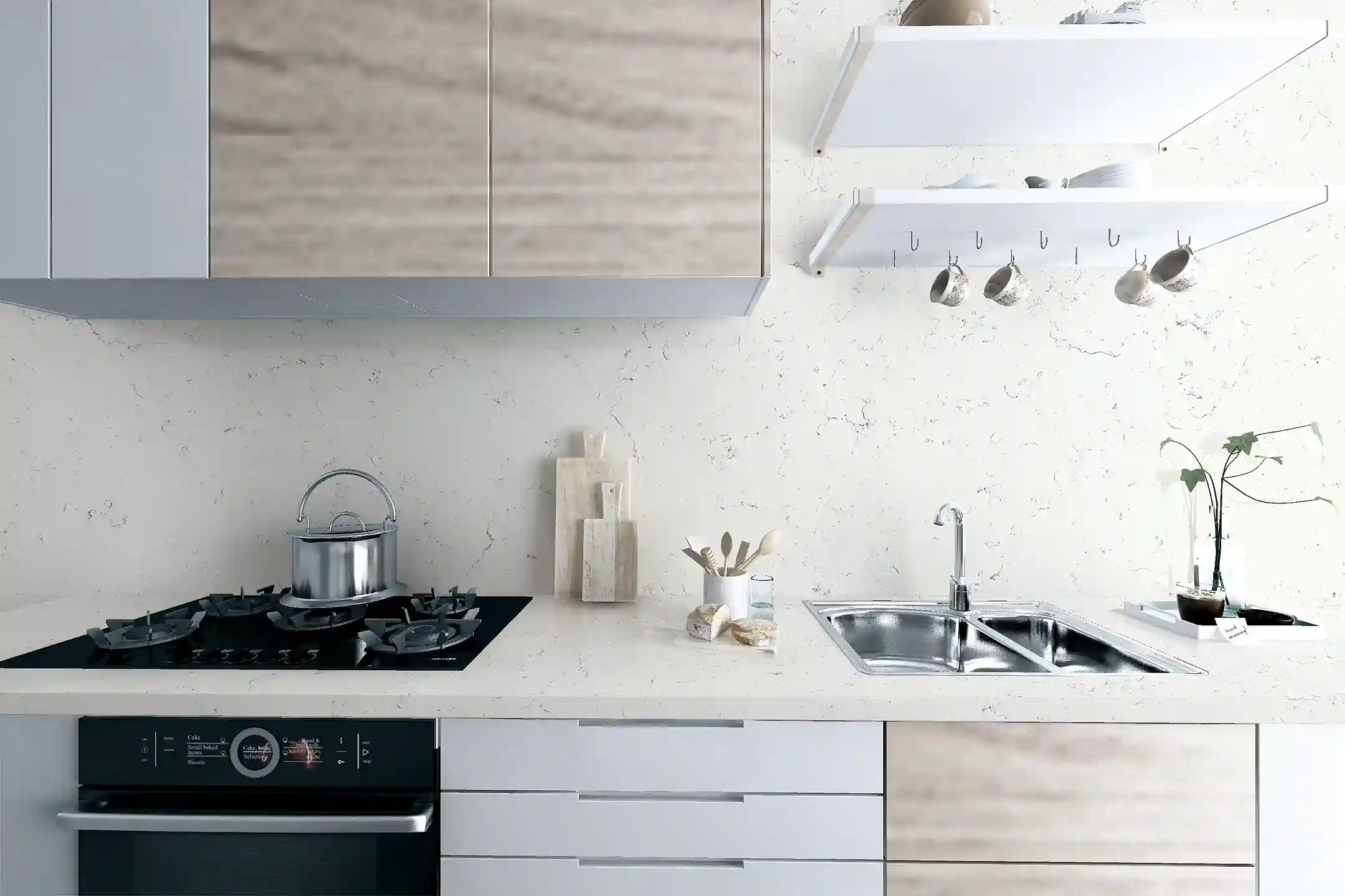
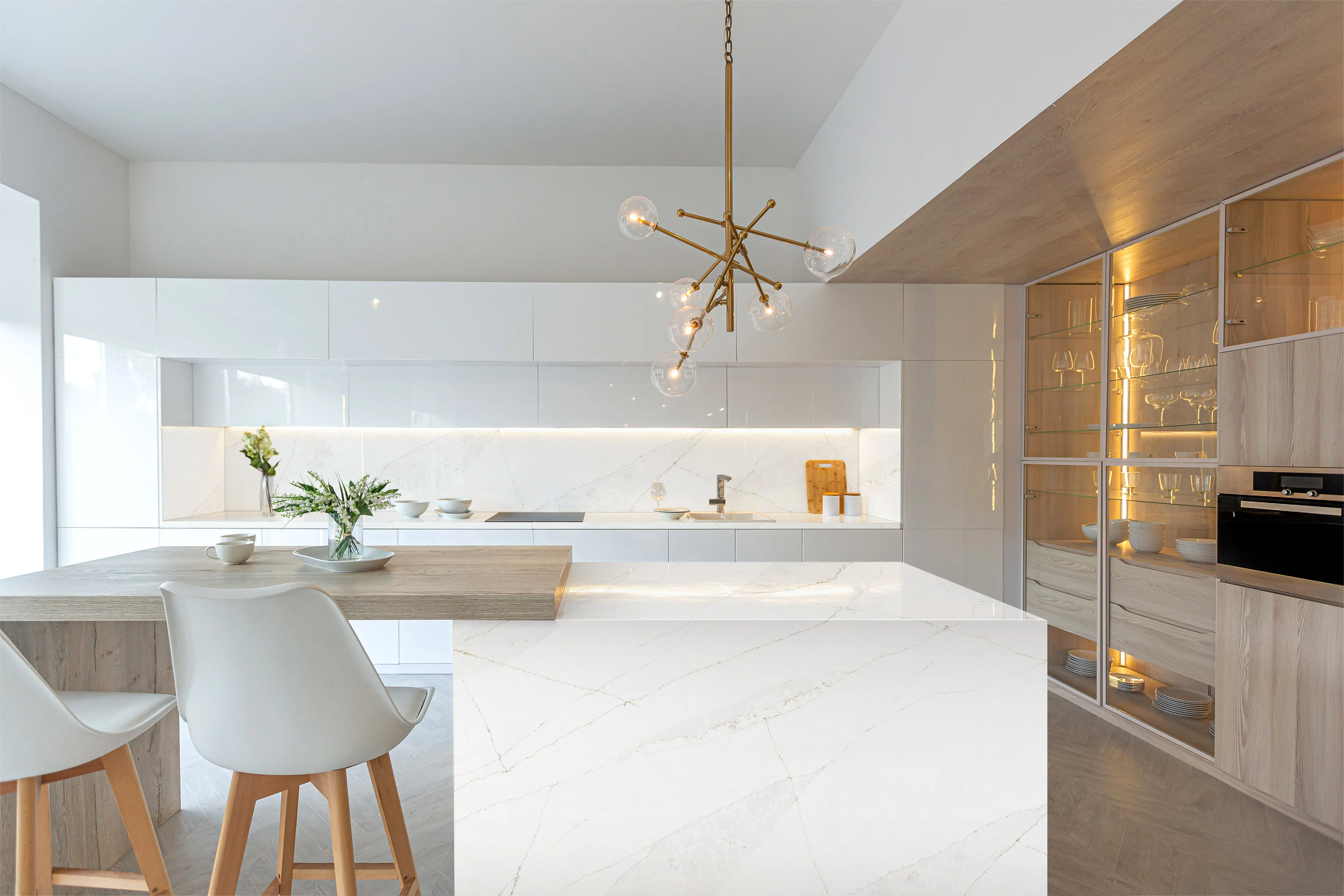
Quartz: Thanks to modern technology, quartz worktops can be produced in a variety of hues and designs that frequently resemble real stones like granite or marble. Excellent design flexibility is provided by the consistency of colour and pattern.

Granite: With distinctive veining patterns created over millions of years, granite displays the inherent beauty of stone. Every slab is unique, giving any kitchen personality and style.

The price

Generally speaking, quartz is more costly than granite; availability, brand, colour, and pattern all affect cost.

Granite: Usually a little less costly than quartz. It is a sensible option for long-lasting countertops due to its resilience to heat and heavy use.

To sum up

There are distinct advantages to each material. Granite is excellent for individuals who value a unique material and the beauty of nature, and quartz is ideal for anyone who prioritizes resilient, low maintenance surfaces. Ultimately, your needs as well as your lifestyle and design preferences will drive your final choice.
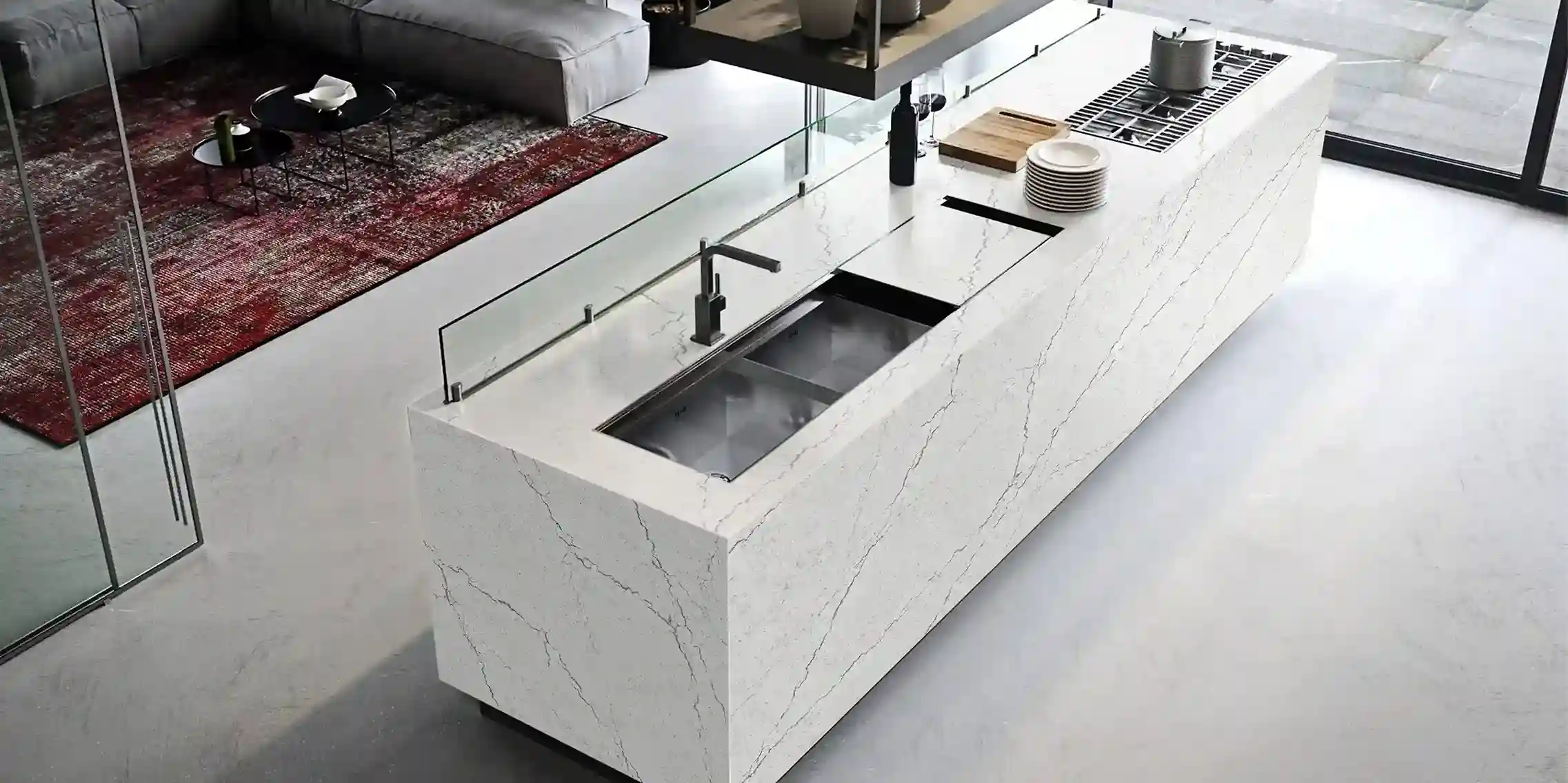
Granite maintenance

Conclusion: Choosing the Best Option

When you are deciding between granite and quartz for your new countertops, you will want to consider these features:

Durability: Both granite and quartz are durable. However, if you live in a busy household (with multiple children), or if you tend to host frequent gatherings, quartz may be the best option for you because it is better able to resist scratching and staining.

Maintenance: Quartz is maintenance-free and is non-porous (which means you don't have to seal it). Even though granite can resist high heat, you still have to reseal the surface periodically "(every few years)", depending on the level of wear and tear you use it.

Looks: Not surprisingly, personal preferences matter here more than anything else. On the other hand, quartz offers countless colors and patterns (that mimic natural stone grains, etc.) in addition to colors and styles that are bold, modern or quirky. Granite is basically a natural stone with its unique veining to set it off from one kitchen to another.

Price: While the prices can vary for both granite and quartz slabs, non-branded options of either typically offer cheaper alternatives. (however also maintain some level of quality and longevity)

In conclusion, it is entirely about what you value most in your decision for new countertops (is it durability, unique pattern, easy maintenance, price?).