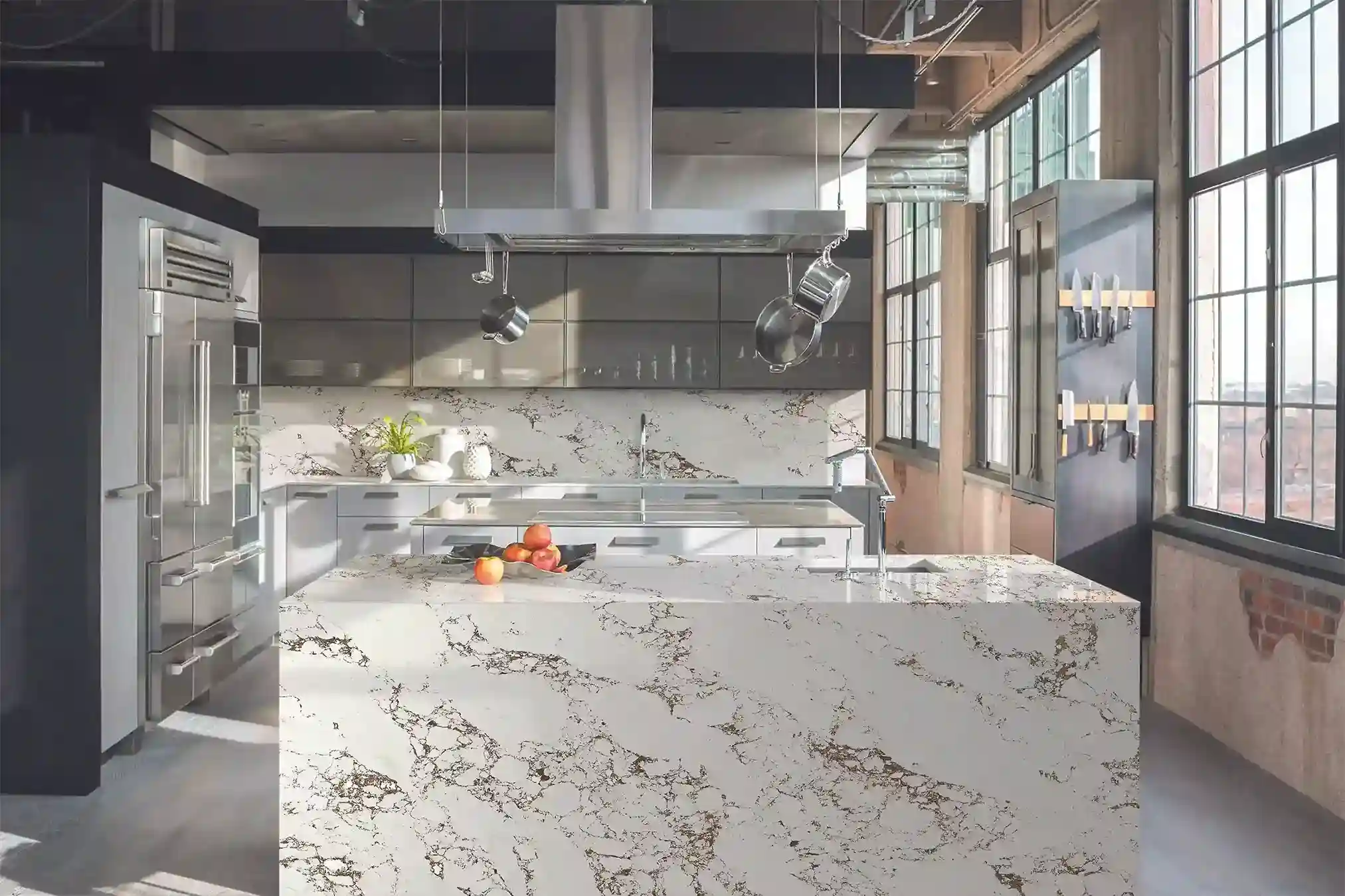



The Fundamentals of Porcelain
The Origins of Porcelain
Porcelain is a luxury ceramic material created through the heating of materials referred to as kaolins in a kiln at a temperature amounting to 1200 °C to 1400 ° C. Porcelain, which is recognized by its strength and durability, as well as its delicate translucence, has been cherished for both functional and decorative uses for centuries.
The Manufacturing Process
The manufacturing of porcelain broadly involves a series of controlled steps that bring together form and function with strength and delicacy. The process of producing porcelain can be summarized as follows:
- Raw Material Preparation: Raw materials including kaolin, feldspar and quartz material are refined, blended, and mixed with other required ingredients.
- Forming: The resulting mixture is formed by one of several forming processes like pressing, extruding, and casting.
- Drying: Pieces are dried, during this process free moisture is removed and pieces are kept from cracking during firing.
- Firing: Items are heated in a kiln at controlled temperatures ranging from 1,200 °C to 1,400 °C. The firing is called vitrification, which gives the porcelain hardness, durability, and translucency.
- Glazing: After the initial firing is completed, a glaze may be additions to the surface. The piece is re-fired to produce a smooth, glossy surface.
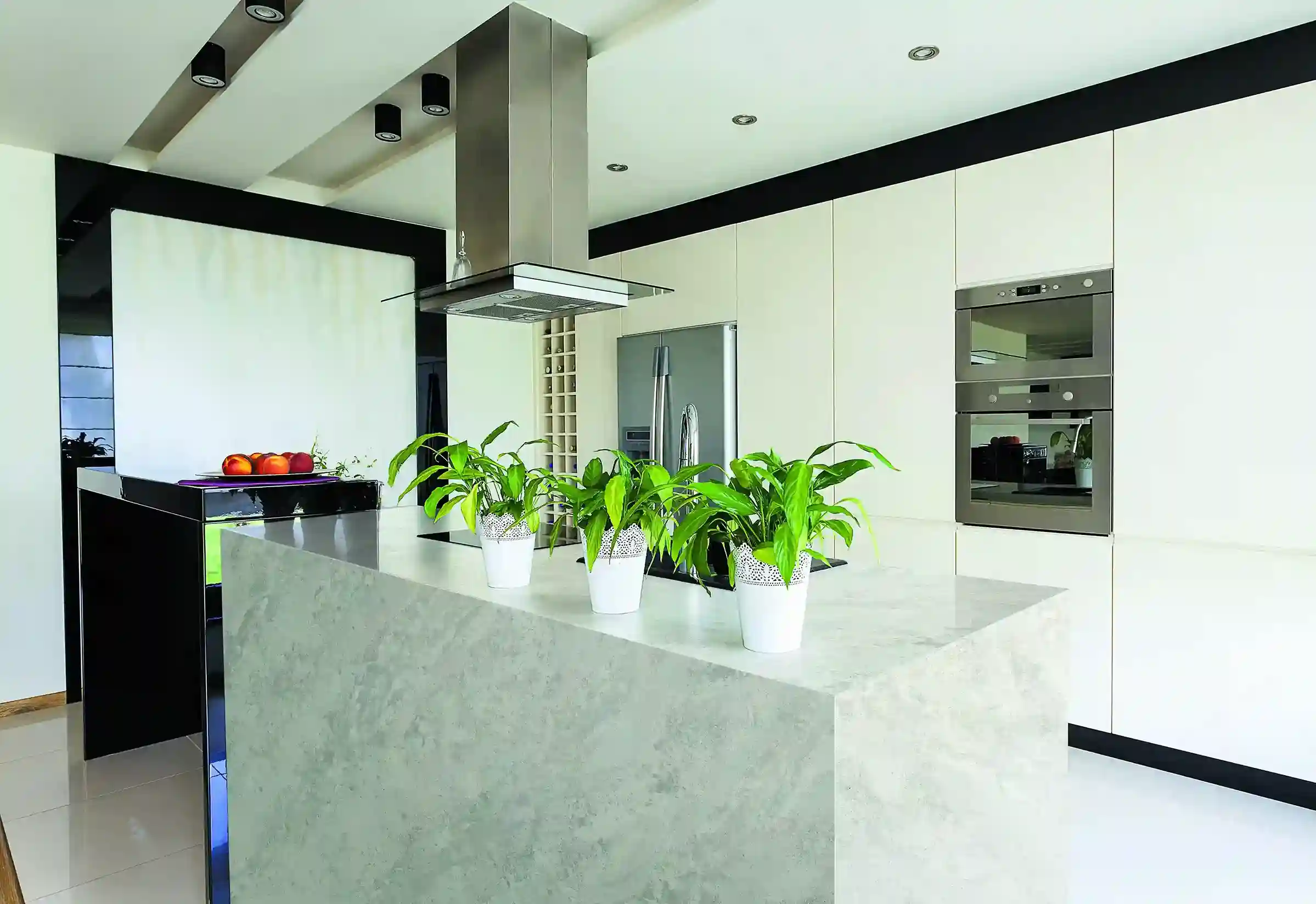
Porcelain Pros and Cons
Pros:
- Extremely durable and long-lasting
- Available in numerous colors, designs, and patterns
- A non-porous surface that does not collect stains or moisture
Cons:
- Some premium brands can be fairly expensive
- Heat resistant but not guaranteed
- Typically not ideal for outdoor uses
How To Care for Porcelain
Porcelain is easy to care for, but with a little extra care, you will be able to maintain its beauty and durability for years to come. Consider the following:
- Cleaning: Regularly clean porcelain surfaces with a soft cloth using mild dish soap and water. Refrain from using abrasive sponges or strong cleaning agents.
- Stain removal: Sometimes, stains can be stubborn. If stains remain after regular cleaning, try a paste of baking soda and water. Do not use chemicals that might possibly harm the surface.
- Heat: Always protect porcelain surfaces from thermal-shock. When removing hot cookware from a stove, place the cookware on trivets or heat mats immediately after removing.
- Scratching: Always use a cutting board on porcelain surfaces to prevent scratches on the surface.
Caring for your porcelain is essential, and while porcelain surfaces are very durable, they can chip or break if hitting hard object with moderate force, so it is always best to avoid anything heavy hitting the porcelain surface.